
A Guide to The Row’s Tote Bag and Its Lasting Draw
The label has invested nearly two decades shaping a reputation around understatement instead of branding, and its tote bags are the plainest reflection of that guiding principle. While plenty of premium brands run after trend-driven excitement, the brand regards its bags as enduring purchases intended to endure long after trends fade. This philosophy has established the house as a mainstay among buyers who prefer careful, low-key research before committing, regularly investing weeks weighing row bags overview material against forum discussions and resale listings before finalizing a decision. Specifically the tote has turned into an understated status signal: identifiable to insiders, unseen by the uninitiated. This contrast is at the heart of why it continues to show up on lists of standout row bags year after year.
To understand what sets it apart from the rest, you have to see beyond the absence of hardware and branding first. The Row’s design language relies on proportion, leather quality, and construction precision instead of decoration. Marketing this is no easy feat, but it explains why the bags hold their value so well on the secondary market. Shoppers searching for the row fashion staples tend to land on the tote first, since it functions as both an everyday workhorse and a signal of taste. Below, we break down what defines the bag, how it compares to other pieces in the lineup, and what to know before buying one in 2026.
What Shapes The Row’s Tote Design
Pared-back geometric forms, minimal seaming, and hides selected for how they age instead of their fresh, unworn appearance define The Row’s totes. Nappa leather and vegetable-tanned calfskin are the row official common choices across the label’s handbag collection, prized for building up a mellow sheen over years of use. The stitching is usually hand-finished, which is one reason production runs are limited and waitlists at flagship stores are not unusual. Unlike bags that rely on hardware for identity, The Row’s tote bags are often secured by simple leather ties or designed with an open top, which keeps its shape pared down.
Nothing about this minimalism is accidental—it’s purposeful. Founders Mary-Kate and Ashley Olsen have spoken about designing pieces that don’t feel dated quickly, and the tote is the clearest proof of that design philosophy. Aside from minor adjustments to strap drop or interior pocketing, a bag bought in 2019 looks almost identical to one bought today. That consistency is rare in fashion, where most brands refresh silhouettes every year or two. What this means for buyers is simple: a tote purchased now won’t look dated in five years, and that’s a substantial part of the value proposition when prices sit in the four-figure range.
More than shoppers expect, interior construction also counts. Many of the row handbags use suede or smooth leather linings rather than branded fabric, and certain models leave out interior pockets altogether to hold onto the streamlined shape of the bag when it’s carrying less. This is a trade-off — less organization for a more sculptural silhouette — and this is worth understanding before you buy, particularly if you tote around lots of small items each day.
Popular Tote Styles Worth Knowing
Over the years, The Row has released various tote iterations, each with a unique standing in the market. The Park Tote ranks among the most well-known, recognized for its firm base and double top handles. The Sofia Tote leans softer and slouchier, drawing in those looking for something more relaxed in shape. There’s also the more compact Wander Tote, which works more like a day-to-day near-crossbody piece than a complete work bag. All of these fall under the wider category of top row bags that stylists and resale platforms cite repeatedly when talking about investment pieces.
Worth pointing out is that The Row’s tote lineup is a different category than its structured handbag category, which includes pieces like the Margaux. It’s common for shoppers to search where to buy the row margaux bag believing it is a tote, but it’s in fact a softly structured, slouchy shoulder style with a shape clearly set apart from The Row’s own structured totes. Knowing this distinction matters, since the two styles serve different wardrobes — the Margaux leans casual and relaxed, while the Park and comparable totes come across as sleeker and more suited to office wear.
A large share of yearly launches are built around a muted color scheme, with black, tan, off-white, and deep browns taking precedence in the tote collection. That’s not a restriction so much as a calculated choice — neutral tones keep resale interest high and make the bags easier to pair with current wardrobes, which is a key factor in why row bags overview articles repeatedly highlight color retention as a shopping factor.
A Comparison of Popular The Row Tote Styles
| Tote Style | Form Profile | Ideal Use | Interior Pockets |
|---|---|---|---|
| Park Tote | A rigid shape that’s boxy | Great for either the office or your daily commute | Few in number |
| Tote: Sofia | A relaxed silhouette with a slouchy feel | Great for relaxed everyday use | Barely any pockets inside |
| Wander Tote | Tidy, tailored | Great for errands and light loads | Limited |
Within the row bags line, a consistent trend emerges: shapes that are firmer and more defined tend to care less about internal organization. Shoppers hauling a laptop or several pouches every day often gravitate toward the Park Tote despite its more rigid form, mainly since the more structured bottom prevents things from slouching inside. Those who want something to throw over a shoulder without much thought tend to prefer the Sofia. The Wander sits in between, offering portability without sacrificing too much structure.
What Pricing, Availability, and Resale Value Break Down
As a rule, the brand’s totes are sold at $2,000 to $5,000 depending on leather type, size, and hardware detailing — exotic-skin editions run considerably pricier. That price positioning places the label on par with Hermès and Céline when it comes to craftsmanship expectations, although The Row operates at a smaller production scale, which adds to its scarcity. Because the brand doesn’t discount heavily or run frequent promotional cycles, shoppers searching for a row sale frequently come up short — discounts are usually confined to end-of-season sample sales or select retailer clearance events instead of sitewide discounts.
This scarcity is one reason resale value holds up so well. Certain row handbags, especially discontinued or limited leather colorways, have sometimes resold at or beyond original retail price on platforms like The RealReal and Vestiaire Collective. Buyers researching best row bags for investment purposes should carefully consider leather type and condition, given that exotic skins and rare neutral tones tend to command the highest resale premiums. For example, a black calfskin tote in good condition usually holds its value better than a seasonal shade made for just one collection.
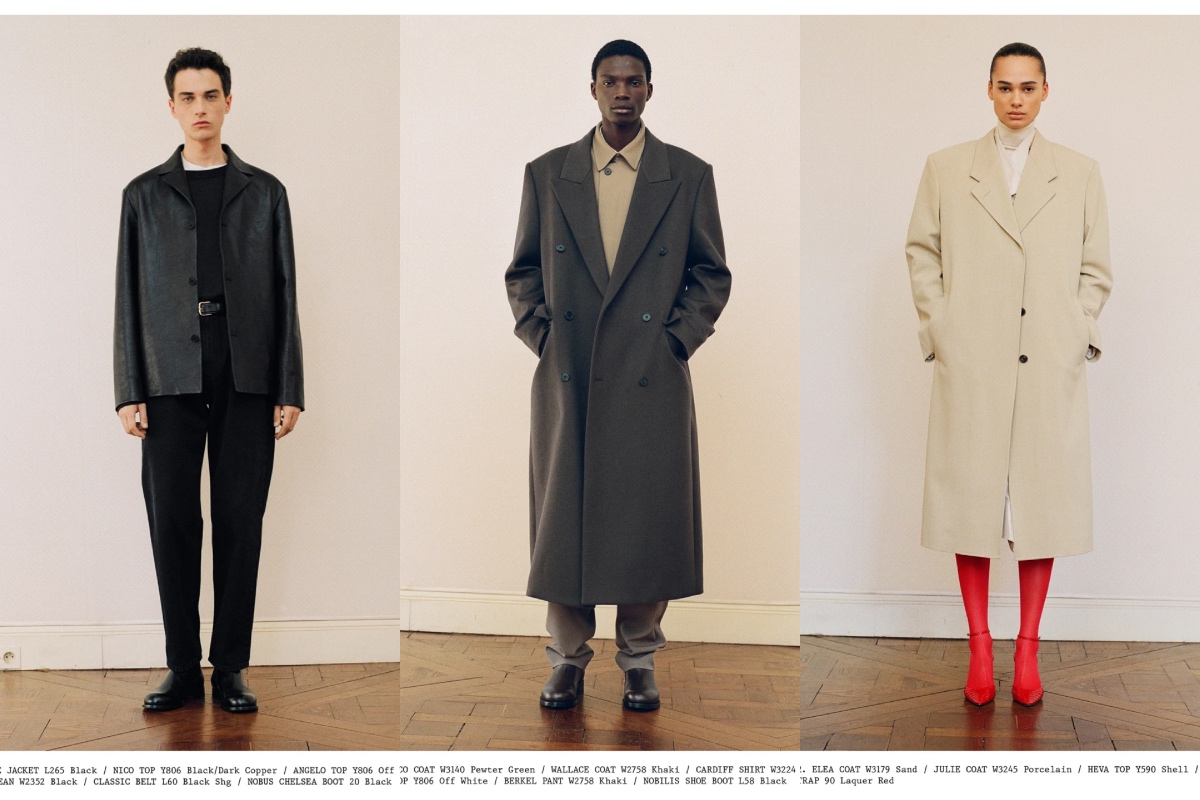
For those hoping to catch a row sale, timing matters more than searching constantly. Authorized retailers such as Net-a-Porter, Mytheresa, and Bergdorf Goodman occasionally include The Row in seasonal promotional events, although selection is usually limited to specific sizes or colors rather than the full catalog. Shopping directly through The Row’s own stores or website confirms legitimacy but almost never comes with price cuts outside of very specific windows.
A Guide to Buying Authentic The Row Bags in 2026
Confirming a bag is genuine has become more and more essential as demand for the row bag has grown alongside its resale market. The most reliable paths continue to be The Row’s flagship boutiques, its official website, and a short list of authorized luxury retailers. Shopping with unauthorized third-party sellers or unverified resale apps carries real risk, since the brand’s minimal branding — the same quality that fuels its appeal — also makes convincing fakes easier to produce. Make certain to request detailed photos of stitching, hardware stamps, and interior tags before purchasing secondhand.
If you’re trying to determine where to buy the row margaux bag or any other structured style, consulting The Row’s official list of stockists is the safest starting point, since availability changes according to season and region. Consignment platforms with in-house authentication teams, such as Vestiaire Collective’s certified service, are a fairly trustworthy backup choice if the boutique route isn’t accessible. Avoid deals that seem significantly below market price, since that’s the clearest warning sign of counterfeit or damaged goods being passed off as authentic.
The wish many shoppers share for something solidly crafted that never needs swapping out or refreshing with each passing cycle is the particular need The Row’s totes answer, and that’s at the end of the day why they earn their place. This is a more difficult proposition in an industry driven by constant churn, but it’s precisely why the brand has built such devoted fanbase. Whether it’s weighing the Park against the Sofia, chasing down a scarce colorway, or just wanting to know why these bags justify their price tags, the answer always returns to the same core truth — steadiness, skilled construction, and a refusal to follow trends that vanish faster than fine leather ever will.